Empowering Lives: The Role of Disability Care Services

Disability care services play a crucial role in creating a more inclusive and supportive society. These organizations are dedicated to helping individuals with disabilities live with dignity, independence, and confidence. By offering personalized care and guidance, they ensure that every individual receives the support they need to manage daily life while achieving their personal goals.

One of the most important aspects of disability care is personal support. This includes assistance with everyday activities such as bathing, dressing, meal preparation, and mobility. With the help of trained caregivers, individuals can maintain their routines in a safe and comfortable environment. Beyond physical care, emotional support and companionship are also essential, helping to build trust, reduce loneliness, and improve overall well-being.

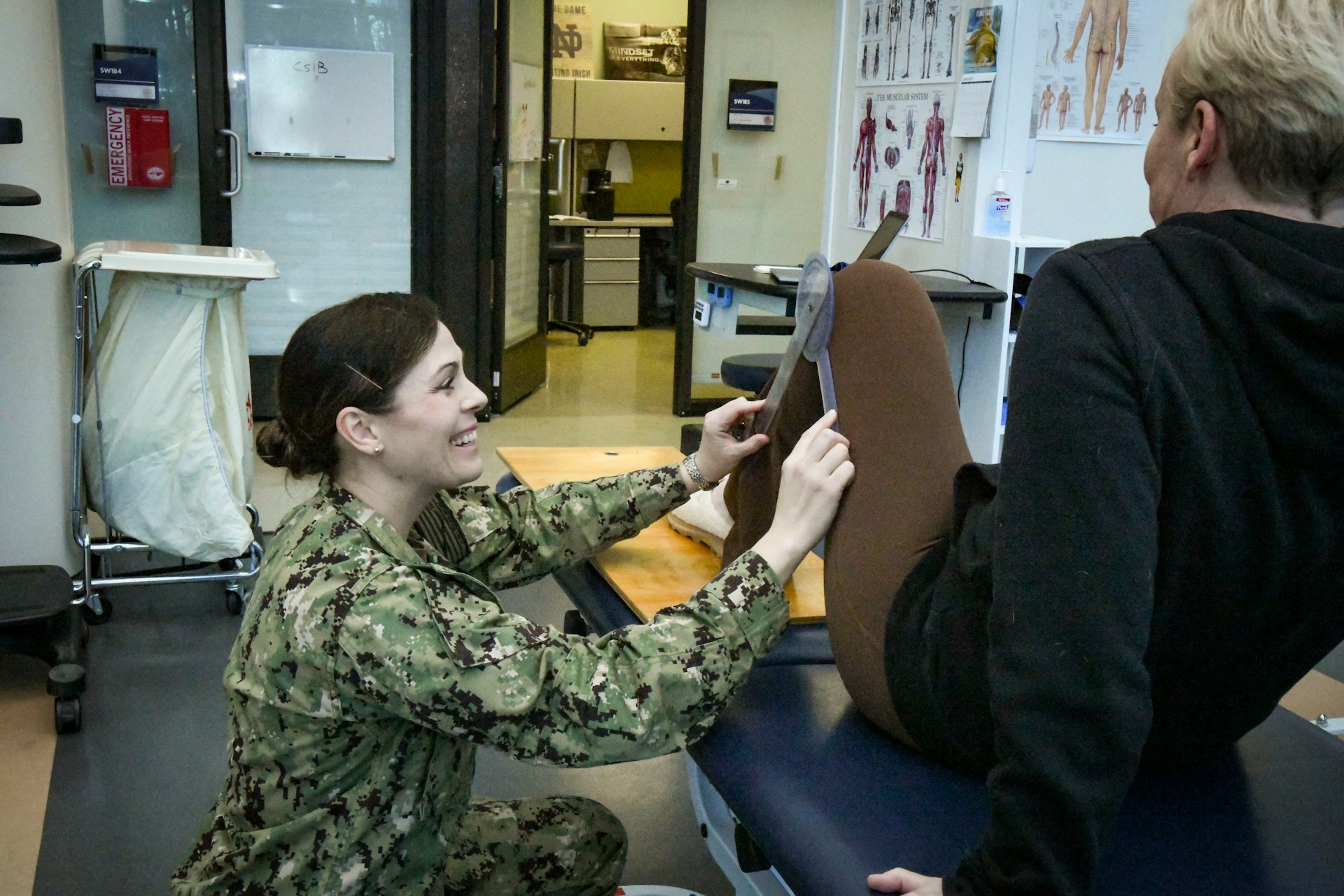
Disability care services also focus on skill development and independence. Through various programs, individuals are encouraged to learn essential life skills like communication, time management, and problem-solving. These skills empower them to take control of their lives and become more self-reliant. Therapy services, including physical and occupational therapy, further enhance their abilities and support long-term development.

Another key area is community participation. Disability care organizations actively encourage individuals to engage in social and recreational activities. Whether it’s attending events, joining community groups, or simply going out for daily activities, this involvement helps build confidence and meaningful connections. It also promotes a sense of belonging and inclusion within society.

In conclusion, disability care services are more than just support systems—they are a pathway to a better and more independent life. By combining compassionate care, professional support, and opportunities for growth, these organizations help individuals overcome challenges and live fulfilling lives with dignity and respect.


Empowering Families

Maya is the primary caregiver for her son with a physical disability. Managing daily care, work, and household responsibilities left her exhausted and stressed.

Our organization provided in-home support services, caregiver training, and respite care. This allowed Maya to rest and focus on her well-being.

Now, Maya feels more balanced and supported.
“I’m not alone anymore. I can take care of my child and myself,” she shares.

A Child’s Growth and Confidence

Aarav, a 7-year-old child with developmental challenges, struggled with communication and social interaction. His parents were worried about his future and education.

Through our early intervention program, Aarav received speech therapy, learning support, and structured activities designed to improve his skills. Our specialists worked closely with both Aarav and his family.

After one year, Aarav can now express his needs clearly and actively participates in school activities.
“We never imagined this progress. It has changed our lives,” his parents shared.

Regaining Independence

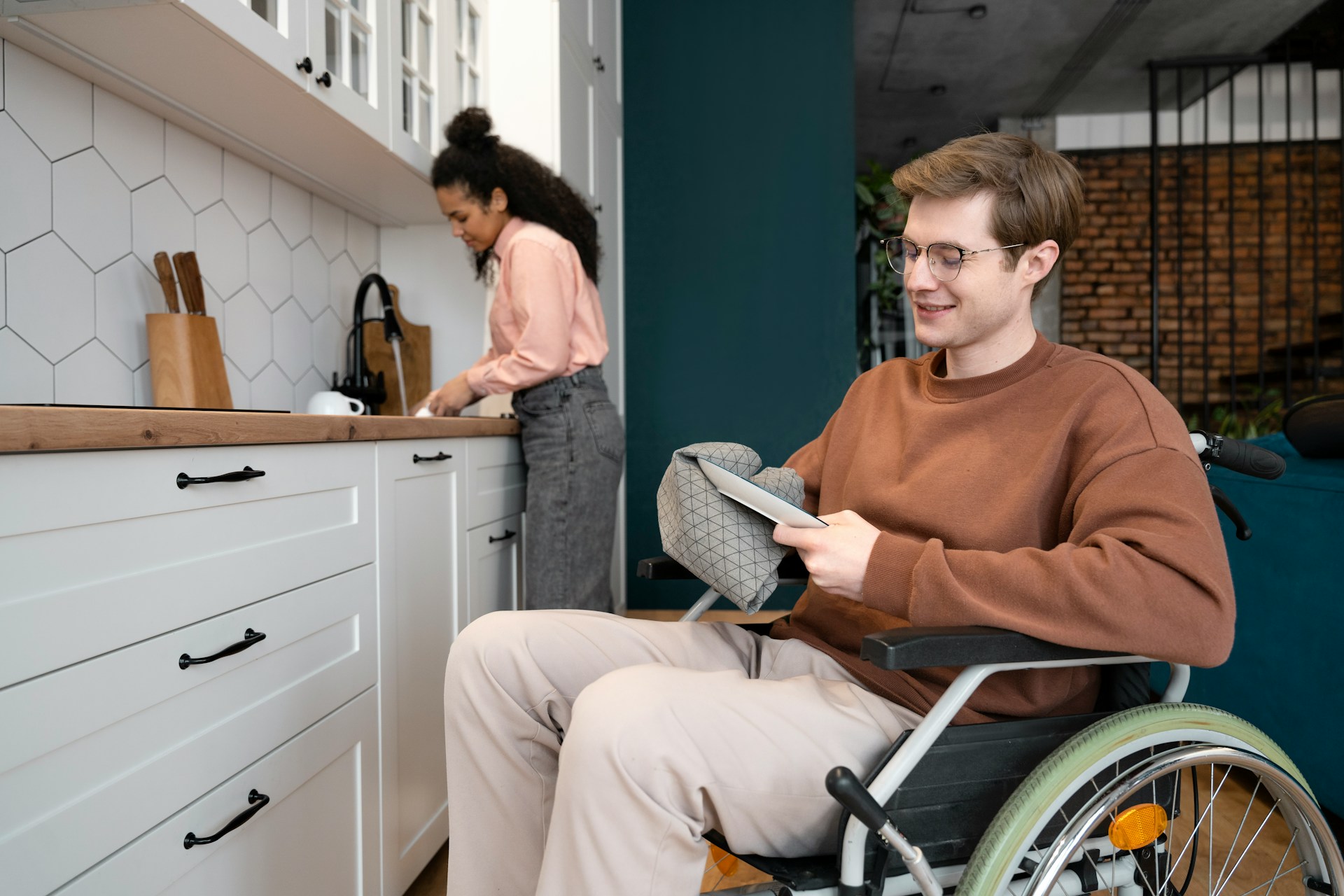
Sita, a 32-year-old woman, lost her mobility after an accident. Everyday tasks like getting out of bed or preparing a meal became overwhelming. She depended heavily on her family, which affected her confidence and independence.

After connecting with our organization, Sita received mobility support, assistive devices, and regular therapy sessions. Our care team also helped modify her home environment to make it more accessible.

Today, Sita moves around independently using her wheelchair. She has even started a small home-based business.
“I feel like I have my life back,” she says with a smile.

Supporting Mental Well-being

Ramesh faced severe anxiety and depression after losing his job. He became isolated and lost motivation to engage in daily life.

With counseling, peer support groups, and regular follow-ups, our team helped Ramesh rebuild his confidence. We also guided him in developing new skills and reconnecting with his community.

Today, Ramesh is working part-time and actively participating in community programs.
“Someone believed in me when I couldn’t believe in myself,” he says.

Building a Sense of Community

Sunil often felt isolated due to his hearing impairment. Communication barriers made it difficult for him to engage socially.

Through our community inclusion programs and sign language support, Sunil found a group where he felt understood and accepted.

He now actively participates in events and has built meaningful friendships.
“For the first time, I feel truly connected,” he says.